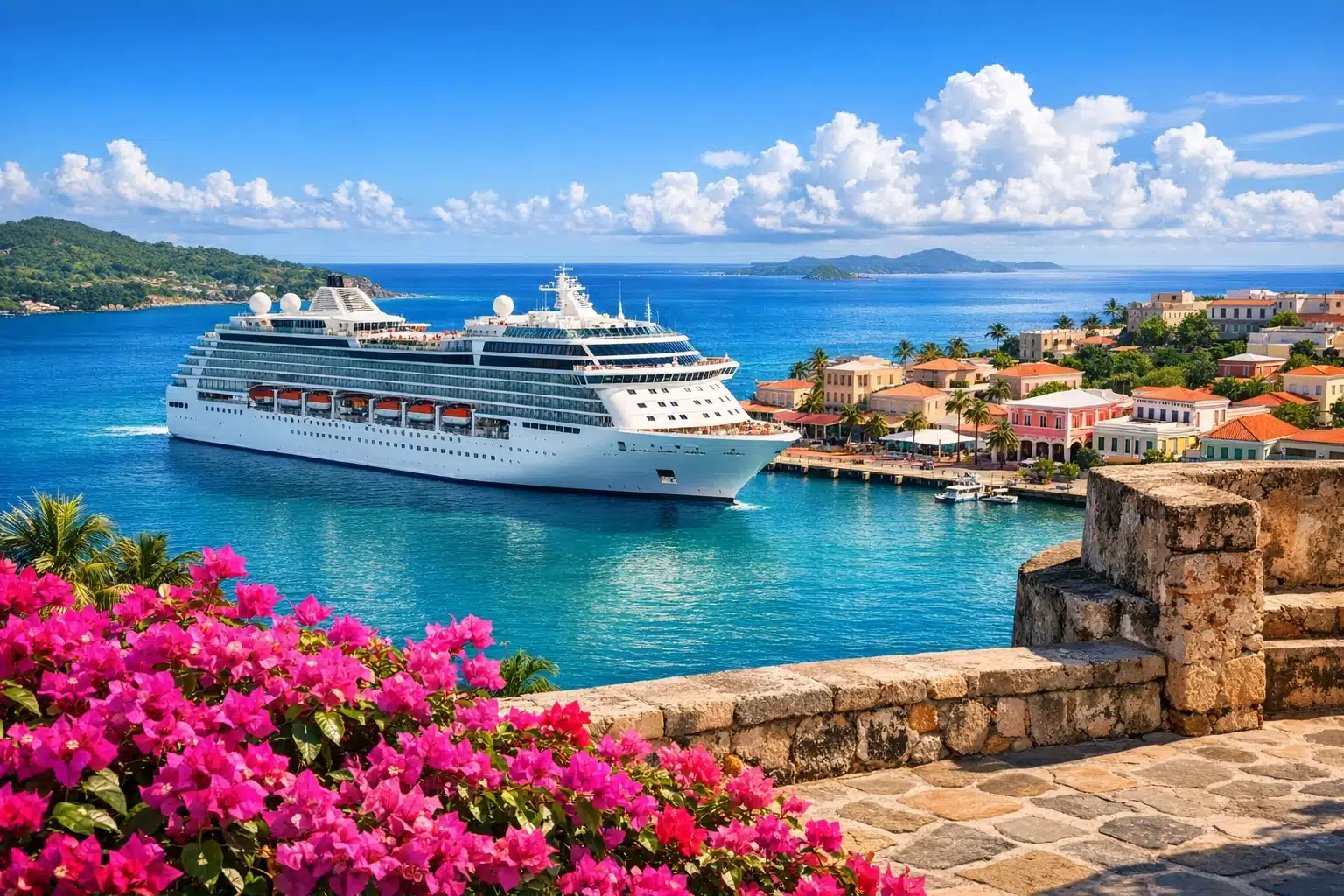
Guide to All-inclusive Caribbean Cruises
Few vacations bundle transport, lodging, dining, and entertainment as neatly as an all-inclusive Caribbean cruise, which is why the format appeals to both curious first-timers and loyal repeat travelers. Yet the promise of simplicity can mask real differences in drinks, gratuities, shore plans, and cabin value. Knowing what is truly included helps you compare sailings sensibly, control extra spending, and pick an itinerary that matches your pace.
Outline
– What “all-inclusive” usually means on Caribbean cruises, and what it often leaves out.
– How Eastern, Western, and Southern Caribbean routes differ in scenery, ports, and pacing.
– How ship size, cabin type, and onboard atmosphere shape the travel experience.
– How to calculate total cost beyond the advertised fare and judge real value.
– How different travelers can choose the right sailing, prepare well, and enjoy a smoother trip.
1. What “All-inclusive” Means on a Caribbean Cruise
The phrase “all-inclusive” sounds wonderfully final, as if every detail has been tied up with a satin ribbon before you even reach the port. In practice, cruise inclusions exist on a spectrum. On many mainstream Caribbean sailings, the fare usually covers your cabin, transportation between ports, meals in the main dining room and buffet, basic beverages such as water, tea, coffee, and some juices, plus a wide range of onboard entertainment. Theater shows, pools, kids’ clubs, deck activities, and general access to fitness facilities are commonly part of the price. That already creates strong value for travelers who want a multi-stop vacation without repeatedly checking in, checking out, or arranging separate transfers.
However, travelers should read the fine print because the term does not always mean the same thing across the industry. A premium or luxury cruise may include more, sometimes adding alcoholic beverages, gratuities, specialty restaurants, Wi-Fi, or shore excursion credits. A mainstream cruise, by contrast, often keeps those extras separate. That distinction matters. Two fares can look similar at first glance, yet the total bill may end up very different once daily tips, cocktails, espresso drinks, internet access, and excursion costs are added. A family of four can feel this difference quickly, especially on a seven-night sailing.
In broad terms, here is what is usually included and what often is not:
– Common inclusions: cabin accommodation, standard meals, entertainment, pools, youth programs, and transportation between ports.
– Common extras: alcoholic drinks, specialty dining, shore excursions, spa treatments, casino play, shopping, photos, and faster internet packages.
– Sometimes included on higher-end fares: gratuities, premium drinks, higher-quality dining, and selected shore experiences.
Compared with a land-based Caribbean resort, a cruise offers a different kind of convenience. A resort gives you one destination in depth; a cruise gives you movement, variety, and a changing horizon outside your window. You unpack once, yet visit several islands. For busy travelers, that efficiency is part of the appeal. For indecisive travelers, it can feel like a sampler platter of the region. One morning may begin with coffee on deck while a new harbor slowly comes into view, the shoreline sharpening from a watercolor blur into palm trees, pastel buildings, and tender boats hopping across the bay.
The key lesson is simple: do not assume “all-inclusive” means identical value everywhere. Ask what your fare actually covers, estimate the extras you know you will use, and compare cruise options based on your habits rather than marketing language alone. Travelers who rarely drink alcohol, prefer casual dining, and explore ports independently may find a lower base fare ideal. Travelers who want fewer transactions and more predictability may do better with a more inclusive premium package, even if the starting price is higher.
2. Caribbean Itineraries, Ports, and the Best Time to Go
The Caribbean is not one uniform destination. It is a patchwork of distinct island cultures, port styles, beach landscapes, and sailing patterns. That is why the itinerary matters just as much as the ship. Broadly, Caribbean cruises are often grouped into Eastern, Western, and Southern routes. Each has a different rhythm, and each tends to suit different interests.
Eastern Caribbean itineraries commonly feature ports such as San Juan, St. Thomas, St. Maarten, Tortola, or cruise line private islands in the Bahamas. These routes often appeal to travelers looking for classic postcard scenery, duty-free shopping, pretty harbor towns, and a balanced mix of beach time and casual sightseeing. Western Caribbean sailings may include Cozumel, Jamaica, Grand Cayman, Roatán, or Belize. These often attract travelers interested in snorkeling, diving, Mayan ruins, zip lines, cave tubing, and a slightly more activity-focused shore experience. Southern Caribbean routes, which can include Aruba, Curaçao, Barbados, Antigua, or St. Lucia, often feature longer itineraries or departures from places such as San Juan or Barbados. They tend to deliver greater island variety and, in some cases, more reliable warm-weather beach conditions.
Itinerary style also changes the onboard experience. A seven-night cruise with two sea days feels very different from a port-intensive voyage where nearly every morning brings another stop. If you love the ship itself, extra sea days can be a pleasure. If you prefer getting ashore often, choose a route with fewer full days at sea. Think about your real habits. Some travelers imagine themselves blissfully stretched by the pool for hours, then discover they would rather spend every port day exploring old forts, tasting local food, or swimming in clear water off a catamaran.
Season matters as well. The Caribbean cruise season runs year-round, but demand and weather patterns shift. December through April is generally the busiest period, thanks to drier weather and winter escapes from colder climates. Prices are often stronger during school holidays and festive weeks. Late spring and early summer can offer a useful middle ground, with warm temperatures and sometimes better fares. Hurricane season officially runs from June through November, with the highest storm risk typically peaking later in summer and early autumn. Cruises still operate during that period, and pricing can be attractive, but itinerary changes are more possible when storms develop.
Here are a few practical route-matching ideas:
– Choose Eastern Caribbean if you want easy beach days, shopping, and a classic first cruise.
– Choose Western Caribbean if you enjoy active excursions, reefs, and historical sites.
– Choose Southern Caribbean if you want more island diversity and are willing to prioritize itinerary over convenience.
Embarkation ports also influence the trip. Sailings from Miami, Fort Lauderdale, or Port Canaveral are often easy to find and may offer more ship choices. Departures from San Juan or Bridgetown can open up richer Southern Caribbean itineraries, though they may require longer flights. In other words, the Caribbean cruise you book is never just about “the Caribbean.” It is about which Caribbean, which pace, and which mix of sea, sand, culture, and convenience you want most.
3. Ship Size, Cabin Choice, and the Onboard Experience
Once you choose a region, the next major decision is the ship itself. This is where many travelers discover that a Caribbean cruise is not a single product but a category with dramatically different personalities. A large resort-style ship can feel like a floating entertainment district, with multiple pools, family attractions, production shows, and dozens of dining venues. A smaller premium vessel may feel calmer, more intimate, and more destination-focused. Neither format is automatically better; the right one depends on how you like to spend your time.
Large ships often work well for families, multi-generational groups, and travelers who want a broad menu of things to do. Children and teenagers may have dedicated clubs, sports areas, waterslides, arcades, and organized programming. Adults can spread out among bars, lounges, comedy venues, casinos, and specialty restaurants. On sea days, this variety matters. If you are happiest when a vacation offers constant movement and choice, a bigger ship can feel energizing. If you prefer quieter decks, fewer announcements, and less crowd flow around elevators and buffets, a smaller vessel may be a better match.
Cabin selection affects comfort more than many first-time cruisers expect. Interior cabins usually offer the lowest fares and can be excellent value for travelers who treat the room as a place to sleep and shower. Ocean-view cabins add natural light, which some people find worth the extra cost. Balcony cabins are especially appealing in the Caribbean because warm air, sunrise views, and sail-in mornings can make private outdoor space feel meaningful rather than symbolic. Suites bring more room and often extra perks, but they make the most sense for travelers who genuinely value the additional space, priority services, or premium amenities.
When comparing cabins, consider how you will actually use the ship:
– Port-heavy itinerary: an interior or ocean-view cabin may be enough because you will spend less time inside.
– More sea days: a balcony can improve comfort and provide a private retreat.
– Family travel: look for cabin layouts with sofa beds, connecting rooms, or family staterooms.
– Light sleepers: study deck plans to avoid noise near nightclubs, elevators, or pool decks.
There is also a style question that no brochure can fully answer: what kind of mood do you want? Some ships are built for excitement and social energy. Others aim for elegant restraint. Some emphasize nightlife and active fun; others center dining, wellness, and destination enrichment. The Caribbean itself may be sunny and casual, but the onboard atmosphere can range from playful and loud to polished and serene. One traveler’s dream vacation is a ship with deck music, trivia contests, and splash zones; another traveler wants a book, a shaded lounger, and enough quiet to hear the sea against the hull.
That is why comparison shopping should go beyond price and route. Read deck plans, watch walk-through videos, and study what happens on a typical sea day. In the end, the ship is not just transportation to Caribbean islands. It is also the neighborhood you live in for a week, the restaurant district you return to each evening, and the moving stage on which the whole trip unfolds.
4. Budgeting Beyond the Fare: Value, Hidden Costs, and Smart Savings
A Caribbean cruise can offer strong value, but only if you calculate the total trip cost rather than stopping at the advertised fare. This is the point where experienced cruisers often separate “cheap” from “cost-effective.” A low entry price can still produce a higher final bill than a more inclusive option once common extras are added. The best approach is to build a realistic budget based on your own habits.
Several categories deserve attention. Gratuities on many cruise lines are charged daily and can add up to a noticeable amount over a week, often landing somewhere in the mid-teens to low-twenties in US dollars per guest, per day depending on cabin type and cruise line policy. Beverage packages can be significant as well. Travelers who enjoy cocktails, wine with dinner, specialty coffee, or bottled water may find a package useful, but those who drink lightly should do the math carefully. Internet plans, specialty restaurants, spa services, laundry, photos, and onboard shopping can also increase spending. Shore excursions are another major variable. A simple beach transfer may be relatively modest, while scuba diving, private tours, or specialty adventure outings can cost much more.
Do not forget the expenses around the cruise itself. Airfare can dramatically change value, especially if the cheapest sailing departs from a less convenient port. Many experienced travelers also book a hotel for the night before embarkation rather than flying in on the same day, which reduces stress and lowers the risk of missing the ship because of airline delays. Travel insurance is another sensible line item. It does not guarantee every problem vanishes, but it can help protect against trip interruption, medical issues, or lost baggage depending on the policy terms.
Here is a practical way to compare two cruise options:
– Add fare, taxes, and fees.
– Estimate gratuities for every traveler.
– Include drinks, internet, and specialty dining only if you realistically plan to use them.
– Add likely shore excursion spending.
– Include flights, transfers, hotel nights, and insurance.
– Divide the total by the number of nights to compare overall value.
Smart savings usually come from strategy rather than extreme compromise. Shoulder-season sailings can be more affordable than holiday weeks. An interior cabin can free budget for better excursions if you expect to spend most of the day out exploring. Some travelers benefit from booking early to secure preferred cabins and promotional bundles, while others with flexible schedules may find worthwhile last-minute pricing. Either way, beware of paying for extras because they sound tempting in theory. If you do not care about gourmet dining or constant Wi-Fi, you may not need those packages at all.
The most useful budgeting mindset is this: spend where it changes your trip, skip what does not. A thoughtfully chosen excursion, a convenient pre-cruise hotel, or a balcony on a sea-day-heavy itinerary may improve the experience more than impulse purchases onboard. Caribbean cruising rewards clarity. When you know your priorities, the budget stops being a trap and becomes a tool.
5. Choosing the Right Cruise for Your Travel Style and Final Takeaways
The best all-inclusive Caribbean cruise is not the one with the loudest marketing or the flashiest pool deck. It is the one that fits the way you actually travel. That sounds obvious, yet many disappointing trips begin with a mismatch between traveler and product. A couple wanting quiet evenings and slow breakfasts may book a high-energy family ship during a school holiday because the fare looked appealing. A family with active children may choose a smaller premium vessel, then discover that the peaceful atmosphere they admired online translates into fewer built-in distractions for younger travelers. Fit matters more than fantasy.
If you are a first-time cruiser, simplicity is your friend. A seven-night itinerary from a major Florida port often provides the easiest starting point because there are usually plenty of ship options, direct flights, and familiar support services. For families, look closely at cabin layouts, included youth programming, dining flexibility, and how many sea-day attractions the ship offers. For couples, think about whether your ideal trip leans toward nightlife, wellness, fine dining, or destination immersion. Older travelers and multigenerational groups may care more about accessibility, embarkation convenience, elevator access, shore excursion pace, and the amount of walking required in ports.
Preparation also improves the experience considerably. Check passport and document requirements well in advance. Arrive in your departure city at least a day early if possible. Pack with practicality in mind: lightweight clothing, reef-safe sun protection where appropriate, comfortable walking shoes, basic medications, and a small day bag for port visits. Review excursion meeting points, dining reservations, and onboard policies before sailing. Little tasks handled in advance can make embarkation day feel smoother and less hurried. The vacation starts more gently when you are not digging through emails in a terminal queue.
A helpful final checklist looks like this:
– Match the ship to your preferred atmosphere, not just your budget.
– Match the itinerary to your interests, whether that means beaches, culture, snorkeling, or easy port days.
– Price the whole trip, not only the cabin fare.
– Leave room for spontaneity, but plan the essentials ahead.
– Choose comfort and convenience where they genuinely reduce stress.
For the target audience most likely to consider these trips, namely travelers seeking a warm-weather getaway with manageable logistics and clear value, Caribbean cruising remains highly relevant. It can work for first-time vacation planners who want structure, for busy professionals who want many moving parts handled in one booking, and for families who need broad entertainment across different ages. It can also suit experienced travelers who simply want to wake up somewhere new without the friction of repeated hotel changes.
The clearest takeaway is this: an all-inclusive Caribbean cruise is at its best when expectations and reality line up. Understand the inclusions, choose the route with care, budget honestly, and book the kind of ship that matches your personality. Do that, and the trip is more likely to feel the way a Caribbean vacation should feel: bright, breezy, and satisfying, with the sea doing the quiet work of carrying you from one memorable day to the next.