2026 No-Fly Cruises for UK Seniors: Luxury Travel Without the Stress of Flying
Introduction: Why No-Fly Cruises Matter in 2026
For many older travellers, the appeal of a cruise begins long before the ship leaves port: it starts with avoiding the airport entirely. A no-fly sailing from the UK can replace security queues, tight baggage rules, and rushed connections with a smoother, more familiar departure. In 2026, this style of travel looks especially relevant as seniors weigh comfort, value, medical reassurance, and simpler planning. This guide explores how these cruises work, where they go, and how to choose one that feels restful rather than tiring.
No-fly cruises have long attracted British passengers, but they are especially appealing to seniors who want the holiday to feel manageable from the beginning. Instead of waking before dawn for a flight, navigating terminals, and worrying about delayed luggage, travellers can often reach the port by car, rail, coach, or an overnight hotel stay. That changes the rhythm of the trip. The journey becomes part of the holiday rather than a hurdle standing between home and the ship.
This topic is also timely because 2026 cruise programmes are likely to continue reflecting strong demand for departures from ports such as Southampton, Liverpool, Newcastle, Dover, and Greenock. Cruise lines based in or serving the UK often release itineraries well in advance, giving seniors more time to compare cabin categories, secure preferred dining arrangements, and plan around health, mobility, or family commitments. A well-chosen itinerary can offer a blend of scenery, convenience, and onboard comfort without the physical demands that flying can introduce.
Outline:
- Why no-fly cruising is often easier and less tiring for seniors
- Which UK departure ports and itineraries are worth considering in 2026
- How ships, cabins, and onboard services differ for older passengers
- What to expect on pricing, planning, and practical preparation
- How UK seniors can book with more confidence and fewer surprises
The aim here is not to present one cruise style as perfect for everyone. Some travellers want formal evenings, grand ocean liners, and long sea days; others want smaller ships, quieter lounges, and easier shore access. What matters most is matching the holiday to real needs. A good no-fly cruise can feel like opening a front door onto the sea, with less noise, less strain, and more room to enjoy the journey at a gentle pace.
Why UK Seniors Are Choosing No-Fly Cruises Over Fly-Cruise Holidays
The biggest advantage of a no-fly cruise is not glamour. It is friction reduction. For many seniors, the practical effort involved in air travel has increased while the enjoyment of it has declined. Airports ask a lot of people: long walks, changing gates, security checks, liquid rules, strict baggage limits, and occasional delays that can turn a simple journey into an exhausting one. By contrast, boarding a ship in the UK usually feels more linear. You travel to the port, check in, unpack once, and settle into your cabin.
That simpler process can matter even more for travellers managing medication, reduced mobility, hearing concerns, or fatigue. Cruise lines and ports are not identical, but UK departures often make it easier to stay in control of your own schedule. Family members can accompany passengers to the terminal. Luggage is usually handled early. There is no pressure to fit essentials into airline-sized hand baggage while hoping a checked case arrives at the same destination. For many seniors, that alone removes one of the sharpest stresses of modern travel.
There is also a financial and planning advantage. A fly-cruise can involve many moving parts: flights, airport transfers, hotel nights, baggage fees, possible seat-selection costs, and the risk that one delay affects the rest of the trip. A no-fly cruise can still require careful budgeting, but the structure is often easier to understand. Typical extra costs may include travel to the port, parking, travel insurance, gratuities, excursions, drinks, and specialty dining. Even so, the starting point is often more straightforward.
For seniors comparing the two styles, these differences stand out:
- No-fly cruises usually reduce the physical strain of travel days
- They can simplify luggage and medication management
- They may offer better peace of mind for travellers who prefer familiar departure points
- They often suit longer, slower itineraries where the journey itself is part of the experience
There is another, softer benefit that brochure summaries rarely capture. When a ship sails from the UK, the holiday often begins with a gradual emotional shift instead of a jolt. One day you are in Southampton or Liverpool; the next morning the sea is doing its quiet work and routine has already started to loosen its grip. For older passengers who value comfort over haste, that slower opening can feel less like transit and more like relief. It is not simply about skipping a flight. It is about choosing a travel style that respects energy, time, and peace of mind.
Best UK Departure Ports and 2026 Itinerary Options to Compare
One of the strengths of no-fly cruising from the UK is the range of departure ports and route types. Southampton remains the dominant hub for many major cruise lines because of its infrastructure, transport links, and broad selection of ships. It is often the easiest place to find variety, from short northern Europe breaks to longer voyages reaching the Canary Islands, the Mediterranean, or even transatlantic crossings. Seniors who want the widest choice of dates, cabin categories, and ship styles often begin their search there.
Other ports can be just as attractive, particularly if they shorten the land journey. Liverpool can be convenient for travellers in the North West and parts of Wales. Newcastle offers strong appeal for passengers in the North East. Dover can suit those in the South East, while Greenock may be a practical option for Scottish travellers. A nearby port does more than save time. It can reduce overnight hotel needs, make family drop-offs easier, and turn embarkation day into something far less tiring.
In itinerary terms, seniors often find that destination choice is closely linked to sailing length and sea conditions. Some of the most common no-fly routes from the UK include:
- Norwegian fjords, often on 7 to 12-night itineraries, prized for dramatic scenery and relatively direct routing
- British Isles and Ireland cruises, which can be ideal for shorter trips and culturally rich port days
- Northern Europe and Baltic voyages, usually longer and often best for travellers who enjoy history and city visits
- Iberia and the Canary Islands, popular with those seeking warmer weather without boarding a plane
- Mediterranean sailings, generally longer because the ship must travel to and from the region from a UK port
Each option comes with trade-offs. Fjords cruises may offer extraordinary landscapes but cooler temperatures. Canary Islands itineraries bring more warmth, yet they involve more sea days. Baltic sailings can be rewarding for museum lovers and history enthusiasts, but some port days may be busy and excursion-heavy. British Isles cruises are easier in one sense, though weather can be unpredictable.
For 2026, the smartest comparison is not simply destination versus destination. It is destination, duration, and departure port together. A beautiful itinerary can still feel wrong if the drive to the port is difficult, the voyage is longer than your stamina allows, or the port schedule is too demanding. Seniors often get the best results by asking a practical question first: which combination of home-to-port travel, sea days, and shore activity feels comfortable enough to remain enjoyable? That answer usually narrows the field quickly.
Choosing the Right Ship, Cabin, and Onboard Experience
Not all no-fly cruises feel the same once you step on board. Ship size, cabin location, onboard atmosphere, dining style, and accessibility features can shape the entire experience, especially for older passengers. A large ship may provide more entertainment venues, more dining options, and a wider choice of cabin grades. A smaller vessel may offer a quieter setting, fewer queues, and easier orientation. Neither is automatically better. The right fit depends on whether you prefer buzz and variety or calm and simplicity.
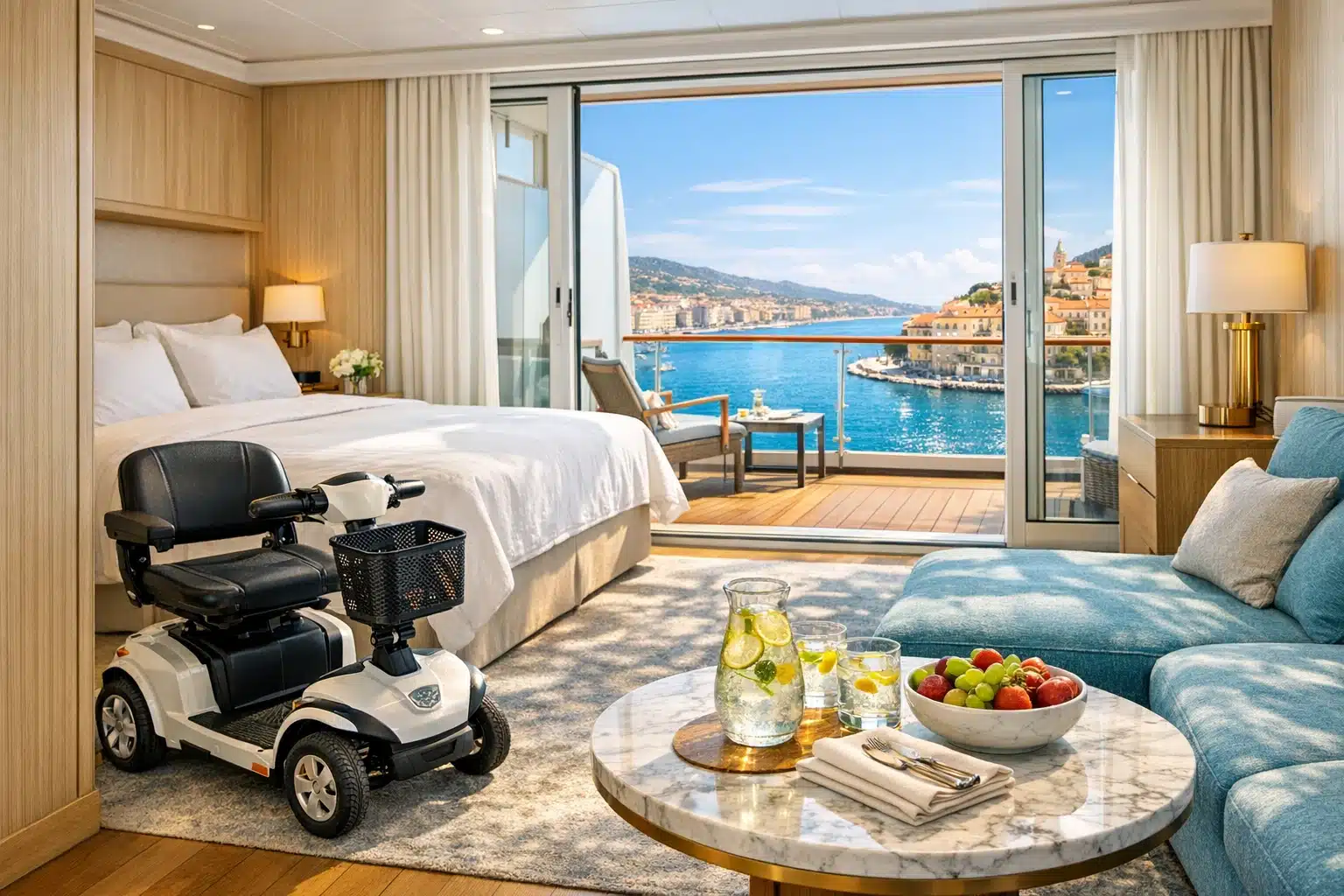
Cabin choice deserves more attention than many first-time or infrequent cruisers give it. For seniors, a cabin is not merely somewhere to sleep. It is a private retreat, a place to rest between activities, and sometimes the key to managing energy levels. An inside cabin can be good value, but some travellers prefer natural light or a private balcony, especially on scenic routes such as the Norwegian fjords. Mid-ship cabins on lower or central decks are often considered more stable in rougher conditions, which may be useful for passengers concerned about motion. Accessible cabins can also be limited in number, so early booking matters.
When comparing ships or cruise lines, practical questions often reveal more than glossy photography:
- Is there a medical centre on board and what are its typical opening arrangements?
- How easy is it to access lifts, restaurants, and theatre seating?
- Are there quieter lounges for reading, conversation, or afternoon tea?
- Do dining times and menus suit your preferred routine?
- Are shore excursions graded by activity level and clearly described?
Service style also matters. Some seniors enjoy traditional cruising with formal nights, fixed dining, and a classic atmosphere. Others prefer flexible dining, relaxed dress codes, and a more informal social scene. Lines such as Cunard, Fred. Olsen, P&O Cruises, Ambassador Cruise Line, and others that offer UK departures can differ significantly in tone, ship design, and passenger mix. The wisest approach is to compare the onboard environment as carefully as the itinerary itself.
There is a simple way to picture this. Think of the ship as a temporary neighbourhood. You want the streets to be easy to navigate, the pace to suit your energy, and the facilities to support how you actually live. A glamorous atrium or a rooftop screen means little if the dining room feels rushed or your cabin location leaves you constantly waiting for lifts. Seniors planning a 2026 no-fly cruise should focus less on marketing labels and more on everyday comfort. In the long run, comfort is what makes a holiday feel luxurious.
Booking Strategy, Budget Planning, and Final Advice for UK Seniors
A successful no-fly cruise booking is usually the result of timing, clarity, and honest self-assessment. Because 2026 sailings may open for sale well in advance, seniors who know roughly when and where they want to travel can benefit from starting early. Early booking can improve cabin choice, especially for accessible cabins, mid-ship locations, single cabins, and popular balcony categories. It can also give more time to compare promotional offers. That said, waiting can occasionally bring late deals, though this approach suits travellers with flexible dates and fewer specific needs.
Budgeting should go beyond the cruise fare. The base price may look appealing, but a realistic estimate should also include:
- Travel to and from the departure port
- Port parking, rail tickets, or a pre-cruise hotel if needed
- Travel insurance that covers cruising and any pre-existing conditions
- Gratuities, drinks packages, specialty dining, and Wi-Fi if important to you
- Shore excursions or independent sightseeing costs
Insurance is especially important for senior travellers. Policies vary widely by age, medical declaration requirements, and cruise-specific coverage. It is wise to check emergency medical cover, cancellation terms, missed departure protection, and repatriation details. This is not the glamorous part of holiday planning, but it is often the difference between confidence and uncertainty.
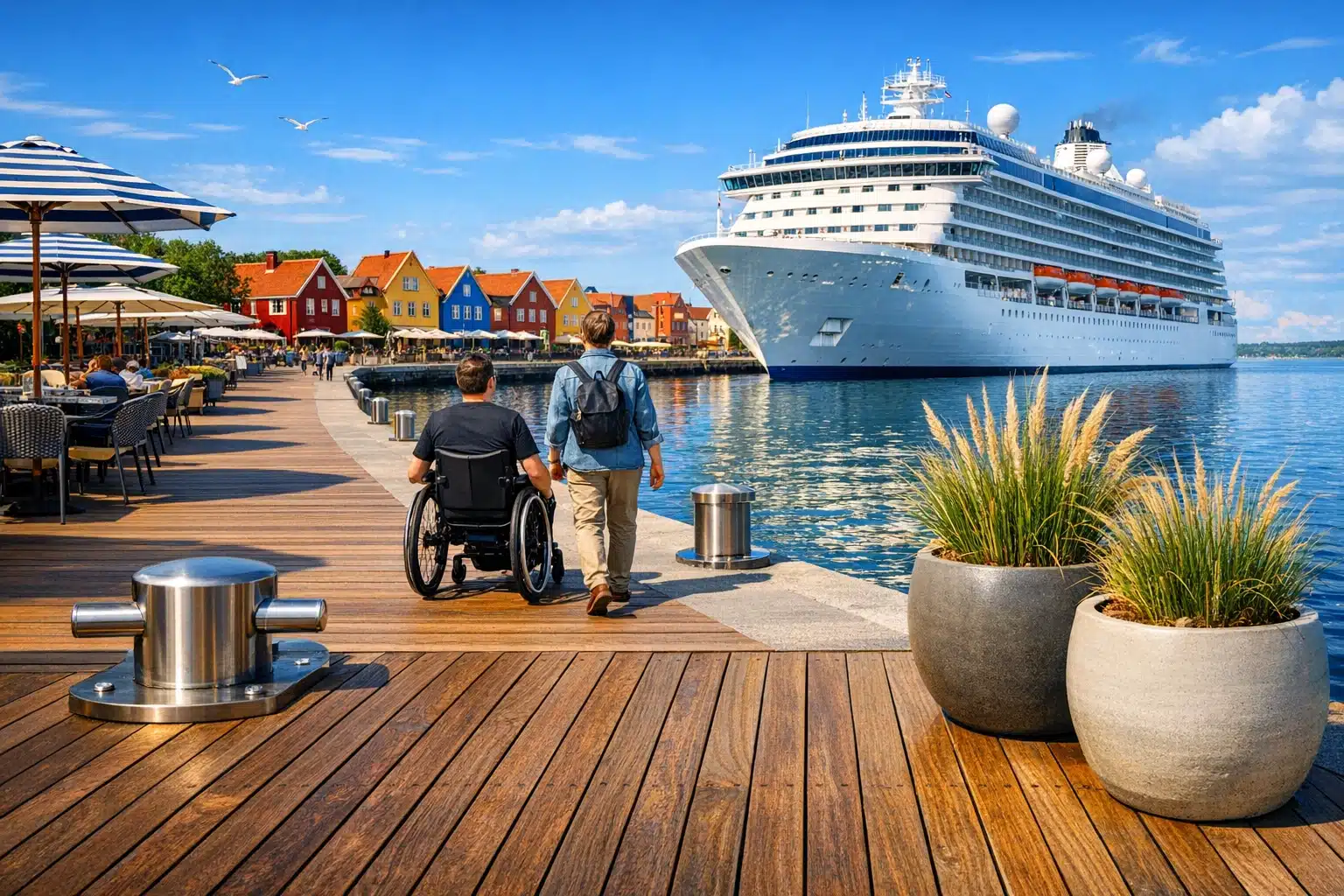
Practical preparation can make embarkation much easier. Keep medication in clearly labelled containers, bring a printed summary of prescriptions, and note any mobility needs in advance. If you use a walking aid, wheelchair, or mobility scooter, confirm the cruise line’s policy before booking. If long excursions sound tiring, look for panoramic coach tours, port shuttles, or itineraries with attractive waterfront cities that reward a slower pace. Seniors travelling alone may also want to compare solo supplements carefully, since these can vary significantly.
For UK seniors, the real appeal of a 2026 no-fly cruise is not only convenience. It is the chance to travel well without spending energy on the parts of travel that feel most draining. A good itinerary, a sensible cabin, and a manageable departure port can turn the whole holiday into a smoother experience. If you want comfort, control, and a gentler start to your voyage, no-fly cruising from the UK deserves serious consideration. Choose with care, book with clear priorities, and the sea can do the rest at its own unhurried pace.