The Most Unforgettable Three-Night Cruise Around the UK: Itineraries, Costs, and Onboard Tips
Britain looks different from the water. A three-night cruise turns familiar coastlines into theatre, where white cliffs, working harbours, island silhouettes, and city skylines slide past while you unpack only once. For travellers short on annual leave, this format delivers a genuine change of scene without the complexity of a long voyage. It is a practical trip, yet it can still feel cinematic from the first departure horn.
Why a 3‑Night UK Cruise Makes Sense (and What This Guide Covers)
A short cruise works because it strips the idea of a voyage down to its essentials: departure, sea time, one or two meaningful stops, and a return that still leaves your calendar intact. For many travellers, that balance is the real attraction. A seven- or ten-night sailing asks for more money, more packing, and more confidence that cruising will suit your habits. A three-night break, by contrast, is often treated as a low-risk trial that still feels like a holiday rather than a transport exercise. You board once, settle into a cabin, and let the ship move the scenery for you.
The UK is especially well suited to this format because major embarkation ports are connected to rail and road networks, and the coastline offers a high concentration of destinations within overnight sailing distance. From Southampton, Liverpool, Newcastle, Dover, or Greenock, cruise lines can build compact itineraries that include a port call, a scenic day at sea, or both. Ships on these routes usually sail at roughly 14 to 20 knots, so a passage of 100 to 180 nautical miles often fits neatly into an evening and early morning window. That is why mini-cruises can feel efficient without seeming rushed.
This guide is organised as an outline and then a practical deep dive. It covers:
• why the three-night format appeals to first-time cruisers, couples, friends, and busy professionals
• which route patterns are most realistic for 72 hours
• how cabins, dining choices, and onboard timing shape the experience
• what a standout sample itinerary can look like in the real world
• what to expect on price, weather, and packing
Another reason these cruises remain popular is psychological rather than logistical. They create a strong sense of occasion in a short span. Sailaway from a UK port often begins in late afternoon light, with tugboats, terminal bustle, and a skyline receding behind you. By morning, the world has shifted. Even if your stop is only a day long, the contrast between shipboard routine and shore exploration is enough to make a brief escape feel fuller than a city break based in one hotel. For readers who want a manageable first cruise, a celebratory weekend away, or a concise reset without long-haul flying, this topic is highly relevant. The next sections compare realistic itineraries and show how to judge whether a route is merely convenient or genuinely memorable.
Sample 3‑Night Itineraries: Distances, Timings, and Port Highlights
On a three-night schedule, route planning is a game of geography, tide windows, and passenger expectations. Cruise lines typically aim for one strong port call or a scenic sailing pattern rather than trying to cram in too many stops. That is sensible. A short itinerary becomes more enjoyable when the ship can maintain a comfortable overnight passage instead of arriving at awkward hours or cutting shore time to the bone. In practice, many of the best mini-cruises use a round-trip model from a major UK port and pair it with a single destination that sits roughly 80 to 180 nautical miles away.
One common pattern is Southampton round trip with a call at Portland or Falmouth. Depending on the exact route, a first leg of around 90 to 150 nautical miles can translate to roughly 7 to 11 hours at sea. Portland offers access to the Jurassic Coast, Weymouth, and a compact harbour atmosphere, while Falmouth brings Cornish scenery, maritime history, and a more distinctly regional feel. These itineraries are appealing for travellers in southern England because embarkation is relatively straightforward, and sailaway through the Solent can be a highlight in its own right.
A second strong option is Liverpool to Belfast and back. This Irish Sea crossing is often around 135 to 150 nautical miles each way, usually handled overnight in about 8 to 10 hours depending on sea conditions and ship speed. Belfast gives passengers a city stop with range: the Titanic Quarter, murals and political history tours, pubs, museums, and good walkability from organised transfers. The departure and return through the Mersey also add atmosphere, especially when the waterfront buildings are lit at dusk.
From the east coast, Newcastle or South Queensferry-based sailings can offer a North Sea flavour. A route from Newcastle with a call farther north, such as Invergordon, often involves longer legs of 160 to 200 nautical miles, which makes it better suited to passengers who genuinely enjoy sea time. The reward is different scenery: estuary approaches, rugged shorelines, and a cooler, more dramatic mood. These voyages can feel more exploratory than urban.
When comparing routes, it helps to judge them by the quality of the contrast they offer:
• urban energy versus coastal quiet
• sheltered waters versus more open sea
• walkable ports versus excursion-dependent stops
• scenic sailaway value versus pure destination time
The best choice depends on your priorities. If you want a first taste of cruising with minimal complexity, choose a route with easy embarkation and one headline port. If you want a stronger maritime mood, pick an itinerary with longer overnight passages and a more dramatic coastline. In a short cruise, every hour counts, so the smartest travellers look beyond the brochure headline and assess how distance, weather exposure, and port access will shape the actual rhythm of the trip.
The Best 72-Hour Onboard Experience: Cabins, Dining, and Daily Rhythm
On a long voyage, passengers have time to recover from a poor cabin choice or an overstuffed daily schedule. On a three-night sailing, those decisions matter immediately. The ship itself becomes a larger part of the holiday because you spend a higher proportion of the trip on board. That means comfort, layout, and timing have real influence over whether the cruise feels smooth or strangely compressed.
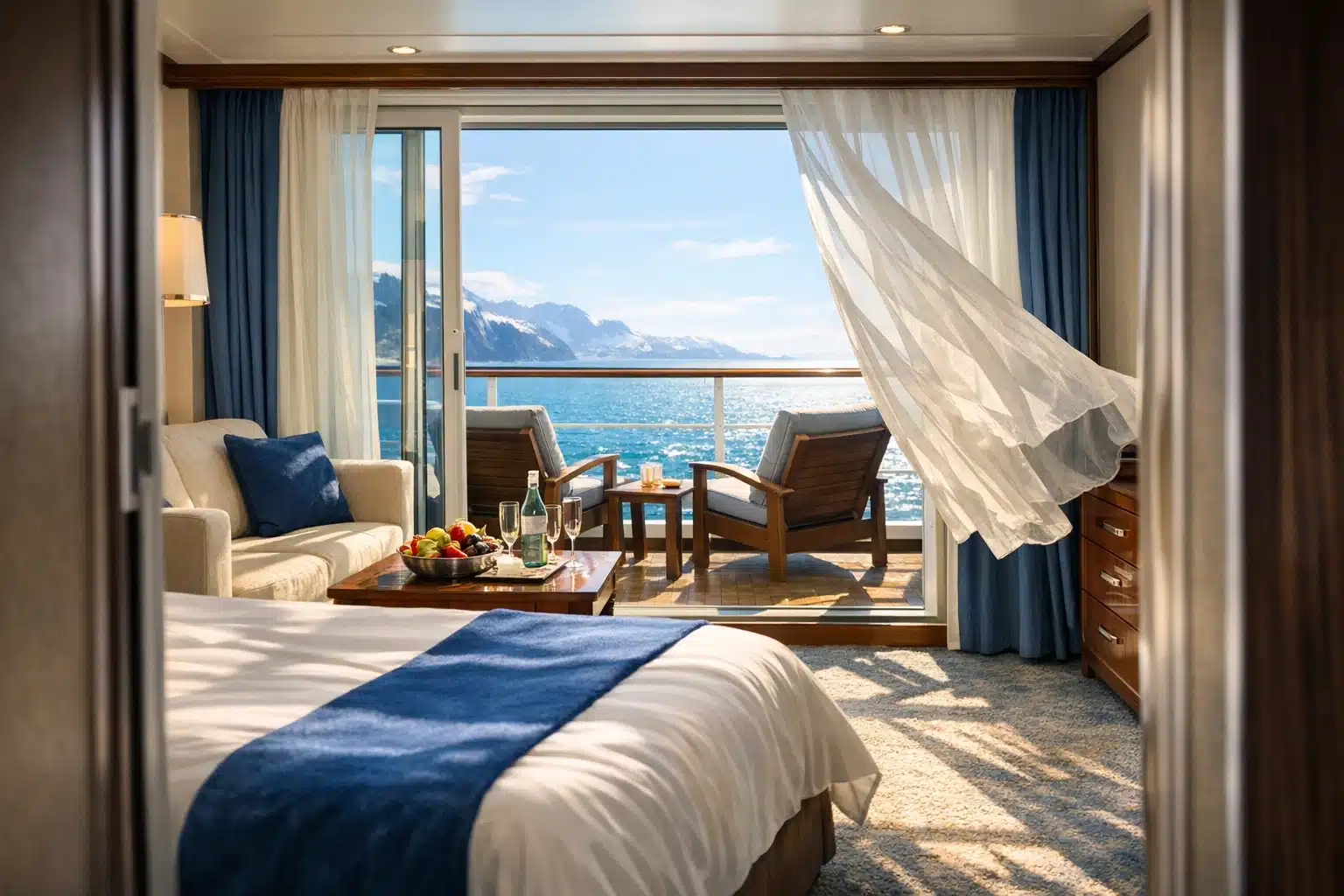
Cabin selection is the first strategic choice. An inside cabin can make sense if you see the room simply as a quiet place to sleep and shower. For a budget-conscious traveller, the savings may be significant, especially on weekend departures where pricing can rise quickly. Ocean-view cabins add a stronger sense of connection to the voyage, while a balcony becomes most valuable if you enjoy private dawn views, evening air, or a little distance from busy public decks. On a three-night route, a balcony is a luxury rather than a necessity, but it can heighten the emotional side of a short break because every sea hour feels more visible.
Dining is the second key variable. Many ships now offer a mix of included main dining, casual buffet options, coffee spots, and specialty restaurants. For a mini-cruise, it often makes sense to keep the plan simple:
• one leisurely main dining room dinner for the classic cruise feeling
• one casual meal when you want flexibility around a port day
• one booked specialty dinner if the trip is a celebration
That approach prevents the common short-cruise mistake of overbooking. If every evening is packed with reservations, theatre slots, quizzes, bars, and late-night snacks, the voyage can start to resemble a timetable rather than a holiday. The most satisfying daily rhythm usually alternates stimulation and pause. Breakfast may be early if the ship is docking. Mid-morning is often the best moment to go ashore or use the spa before queues build. Late afternoon brings sailaway, arguably the emotional centre of the day. Evening then stretches into dinner, live music, promenade walks, and the gentle hum of engines in the background.
There is also a practical point: sea conditions can alter energy levels. Even on relatively sheltered UK routes, the ship may move enough for light sleepers or first-timers to notice. Midship cabins on lower decks often reduce motion. So do reasonable expectations. A three-night cruise is not about doing everything. It is about choosing a few experiences that feel unmistakably maritime: breakfast as the coast appears, a quiet deck at twilight, a port arrival that feels almost theatrical, and the odd pleasure of going to sleep in one place and waking somewhere else entirely.
The Most Perfect Three-Night Itinerary Example: Distances, Times, and Port Highlights
If one itinerary captures the strengths of a UK mini-cruise particularly well, it is a Liverpool round trip with a full day in Belfast. It balances atmosphere, practicality, and enough sea time to feel like a real voyage rather than a ferry transfer dressed up with entertainment. It also works well for a broad audience: first-time cruisers, couples wanting a short escape, friends after a sociable weekend, and travellers who prefer cities over remote excursion ports.
Imagine a departure from Liverpool in the late afternoon. The ship eases away from the terminal and passes the iconic waterfront, where the Three Graces provide a proper send-off. The Mersey adds drama immediately; you are not slipping out of an anonymous industrial harbour but leaving from a place with a strong civic identity. From there, the vessel heads across the Irish Sea toward Belfast. The direct sea distance is generally around 138 nautical miles, though exact routing can vary. At a typical cruise speed, that means something like 8 to 10 hours of overnight sailing. You have enough time for dinner, a show, a walk on deck, and a full night’s sleep before arrival.
Belfast is the reason this itinerary works so cleanly. It rewards both independent walkers and organised tour passengers. Port highlights can include:
• Titanic Belfast and the surrounding docklands
• a black cab history tour covering murals and political landmarks
• St George’s Market if timing allows
• the Cathedral Quarter for architecture, cafés, and music
• day tours to the Antrim coast for passengers willing to trade city time for scenery
After a full day ashore, the ship departs in the evening and returns overnight to Liverpool, again covering roughly 135 to 150 nautical miles. That second sea leg matters because it gives the cruise a satisfying symmetry. The ship is not simply taking you out and back; it is creating two distinct transitions, each with its own mood. Outbound feels anticipatory. Homeward passage tends to be calmer, more reflective, with passengers settling into lounges, comparing photos, and stretching the trip by one last dinner.
Why call this the most complete example? Because it gives a little of everything without overreaching. There is a memorable embarkation city, a destination with genuine depth, sea passages long enough to establish rhythm, and a return that still leaves much of the following week intact. You can board on a Friday, step into Belfast on Saturday, enjoy another evening afloat, and be back by Monday morning. For travellers looking for one compact itinerary that feels coherent rather than hurried, this is hard to beat.
Costs, Seasons, and Smart Planning: Expectations and Packing Guide
Short cruises are often marketed as affordable indulgences, and compared with longer voyages they frequently are, but the final cost depends on what is included and how early you book. A mainstream three-night UK cruise might start at roughly £250 to £500 per person for an inside cabin, with ocean-view and balcony categories rising from around £350 to £900 or more depending on line, departure date, and demand. Premium operators can price well above that. Fares may include accommodation, standard dining, and entertainment, but extras such as drinks packages, specialty dining, Wi-Fi, gratuities, and shore excursions can shift the final budget quickly.
Season matters almost as much as cabin grade. Late spring and early autumn often offer the most balanced conditions: longer daylight, relatively moderate temperatures, and slightly lower pressure on school-holiday dates. Summer can be attractive for warmth and easier deck time, though prices typically climb. Winter mini-cruises do exist, especially around festive periods, but travellers should approach them with the right mindset. Rougher seas are more likely, daylight is shorter, and the weather can make outdoor viewing brief rather than leisurely. The upside is atmosphere: dark harbours, warm lounges, and a very different coastal mood.
Smart planning on a short cruise is less about packing more and more about packing with purpose. A useful list usually includes:
• one wind-resistant outer layer for open decks
• comfortable walking shoes for port days
• a compact day bag for documents, water, and layers ashore
• any motion-sickness remedies you trust
• one slightly smarter outfit for dinner if the ship leans traditional
• portable chargers and offline copies of boarding details
Another useful expectation to set is how little time there is for recovery from poor logistics. Arrive at the embarkation city with a buffer if possible, especially if rail disruptions or motorway traffic are common on your route. Check whether the port requires timed boarding. Read the dining reservation rules before sailing. Look at the map of your destination port and decide whether you will walk, shuttle, or book an excursion. These small steps prevent a short trip from feeling improvised in the wrong way.
Conclusion for Time-Poor Travellers and First-Time Cruisers
A three-night cruise around the UK suits people who want movement, comfort, and contrast without surrendering a full week to travel. It is particularly good for curious first-timers, couples seeking a neatly contained break, and busy travellers who want a change of scenery that still feels manageable. The best version is not the one with the longest brochure description, but the one with realistic distances, a compelling port, and enough breathing room on board. Choose that well, and a short sailing can deliver exactly what many holidays promise yet rarely achieve: a genuine sense that you left ordinary life behind, even if only for a few days.